Image Source – Google
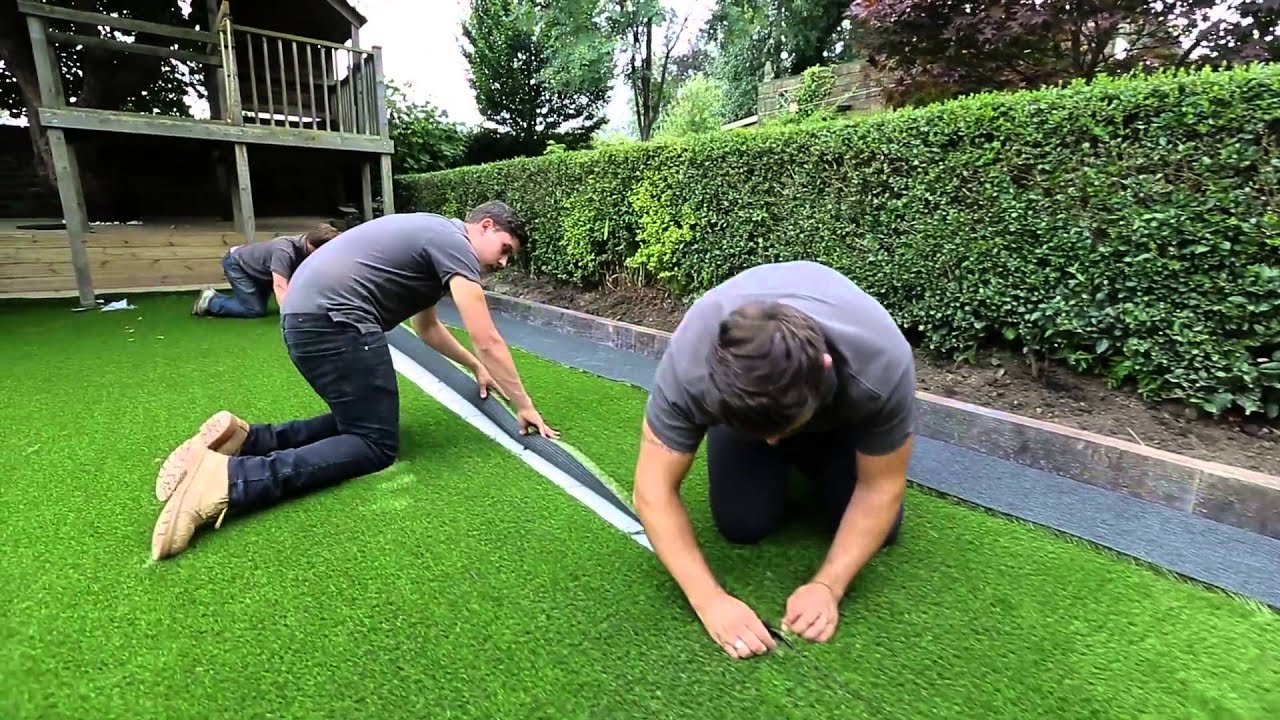
Transform your backyard into a luxurious retreat by adding an outdoor turf putting green. Whether you are an avid golfer or just looking for a fun and functional addition to your outdoor space, a putting green can provide hours of entertainment and relaxation for your family and guests. With the convenience of practicing your short game right in your own backyard, you can elevate your outdoor living experience and create a perfect oasis for outdoor gatherings and leisure with outdoor turf putting grass.
Benefits of an Outdoor Turf Putting Green
Enhance Your Landscape
- Adds a touch of luxury and sophistication to your backyard
- Creates a focal point and visually appealing feature
- Blends well with other landscaping elements
Entertainment and Recreation
- Provides endless entertainment for golf enthusiasts of all ages
- Perfect for hosting friendly putting competitions and parties
- Encourages outdoor activity and physical exercise
Convenience and Accessibility
- Eliminates the need to drive to a golf course or practice facility
- Allows you to practice your putting skills anytime at your convenience
- Low maintenance compared to natural grass putting greens
Designing Your Outdoor Turf Putting Green
Creating the ultimate backyard oasis with an outdoor turf putting green involves careful planning and design. Here are some key considerations:
Space and Layout
- Determine the available space in your backyard for the putting green
- Consider the shape and layout of the green to fit harmoniously with your landscape
- Factor in any slopes or uneven terrain that may require adjustments
Turf Selection
- Choose high-quality artificial turf specifically designed for putting greens
- Select turf with realistic ball roll and performance characteristics
- Ensure proper drainage to prevent water accumulation on the green
Adding Features
- Include fringe grass or landscaping around the putting green for a polished look
- Install cup lights for evening play and ambiance
- Consider incorporating bunkers, chipping areas, or multiple putting holes for added challenges
Maintenance and Care
Keeping your outdoor turf putting green in top condition requires regular maintenance and care. Here are some tips to ensure longevity and optimal performance:
Cleaning
- Brush the turf regularly to remove debris and maintain a smooth surface
- Use a leaf blower or rake to clear leaves, twigs, and other organic matter
- Spot clean any stains or spills with mild detergent and water
Grooming
- Use a power broom or specialized grooming equipment to fluff up the turf fibers
- Regularly brush the turf in different directions to prevent matting and wear patterns
- Fill in any compacted areas with additional infill material as needed
Protection
- Avoid placing heavy furniture or equipment on the putting green to prevent damage
- Keep pets and sharp objects away from the turf to prevent punctures or tears
- Apply UV protectant spray to prevent fading and prolong the life of the turf
Conclusion
Transforming your backyard into the ultimate oasis with an outdoor turf putting green is a great investment in your home and lifestyle. Whether you are looking to improve your golf game, entertain guests, or simply enjoy the beauty of a well-designed outdoor space, a putting green offers endless possibilities for enjoyment and relaxation. With the right planning, design, and maintenance, you can create a backyard retreat that will be the envy of your neighborhood and a favorite destination for family gatherings and outdoor fun.