Image Source- Google
Have you ever come across a piece of jewelry that holds sentimental value or is a part of your favorite collection, only to find it broken or damaged? It can be disheartening to see your beloved jewelry in such a state, but fret not, as jewelry repair services can work wonders in bringing new life to your cherished pieces.
From fixing broken chains to replacing missing stones, these expert jewelry repair services can revive your jewelry and make them look as good as new. Let's explore how jewelry repair services can help you transform your broken pieces into beautiful treasures once again.
The Importance of Jewelry Repair Services
Jewelry holds a special place in our hearts, whether it's a family heirloom passed down through generations or a special gift from a loved one. When these precious pieces get damaged or broken, it can feel like a part of your history or memory is tarnished. This is where jewelry repair services play a crucial role in preserving the beauty and sentimental value of your favorite pieces. Here are some key reasons why jewelry repair services are essential:
Preservation of Sentimental Value
- Jewelry repair services can help preserve the sentimental value attached to your favorite pieces, ensuring that they can be passed down to future generations.
- By fixing broken or damaged jewelry, you can continue to enjoy wearing pieces that hold special memories and emotions.
Restoration of Beauty
- With expert repair and restoration techniques, jewelry repair services can bring back the original beauty of your pieces, making them look as good as new.
- From restringing pearls to polishing gemstones, these services can enhance the aesthetic appeal of your jewelry and make them sparkle again.
Common Jewelry Repairs
From minor fixes to major restoration work, jewelry repair services offer a wide range of services to address different types of damage. Here are some common jewelry repairs that can breathe new life into your favorite pieces:
Stone Replacement
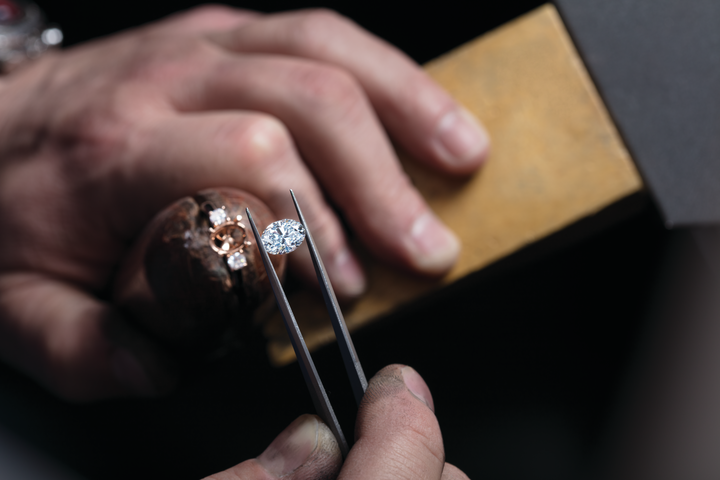
- If a stone falls out of your ring or necklace, jewelry repair services can source matching stones and expertly set them back into place.
- Whether it's a diamond, sapphire, or emerald, skilled jewelers can replace missing stones to restore the beauty of your jewelry.
Chain and Clasp Repair
- Broken chains or clasps can render your necklace or bracelet unwearable. Jewelry repair services can repair or replace these components to ensure a secure and comfortable fit.
- By fixing chains and clasps, you can continue to enjoy wearing your favorite necklaces and bracelets without the fear of them falling off.
Polishing and Cleaning
- Over time, jewelry can lose its luster and shine due to dirt, oils, and everyday wear. Jewelry repair services offer professional cleaning and polishing to restore the brilliance of your pieces.
- By removing tarnish and dirt buildup, your jewelry will look revitalized and more attractive, enhancing your overall appearance.
Benefits of Jewelry Repair Services
Opting for jewelry repair services can offer a plethora of benefits beyond just fixing broken pieces. Here are some advantages of entrusting your beloved jewelry to professional repair services:
Cost-Effective Solution
- Repairing damaged jewelry is often more cost-effective than purchasing a new piece, especially if the item holds sentimental value.
- By investing in repair services, you can save money while continuing to enjoy wearing your favorite jewelry.
Customization Options
- Jewelry repair services can also offer customization options, allowing you to personalize your pieces according to your preferences.
- From resizing rings to adding engravings, these services can help you create one-of-a-kind jewelry that reflects your style and personality.
Environmental Sustainability
- Choosing to repair and restore jewelry instead of discarding damaged pieces contributes to environmental sustainability by reducing waste.
- By extending the lifespan of your jewelry through repair services, you are making a conscious effort towards a greener and more eco-friendly lifestyle.
Choosing the Right Jewelry Repair Service
When it comes to entrusting your precious jewelry to a repair service, it's essential to choose a reputable and experienced jeweler to ensure quality workmanship. Here are some factors to consider when selecting a jewelry repair service:
Expertise and Experience
- Look for a jewelry repair service with skilled craftsmen who have expertise in handling different types of jewelry and repairs.
- Check customer reviews and ask for references to gauge the reputation and experience of the repair service.
Services Offered
- Ensure that the repair service offers a comprehensive range of services to address your specific repair needs, from basic fixes to intricate restoration work.
- Discuss your requirements with the jeweler to confirm that they can meet your expectations and deliver the desired results.
Turnaround Time and Pricing
- Inquire about the estimated turnaround time for the repairs and ask for a transparent breakdown of the pricing and costs involved.
- Compare quotes from different repair services to ensure competitive pricing without compromising on the quality of work.
By choosing the right jewelry repair service, you can breathe new life into your favorite pieces and continue to cherish them for years to come. From simple repairs to intricate restorations, these services can transform your broken jewelry into beautiful treasures that you'll love wearing once again.